Loading...
Serving Coachella, CA and surrounding areas. (442) 287-1944
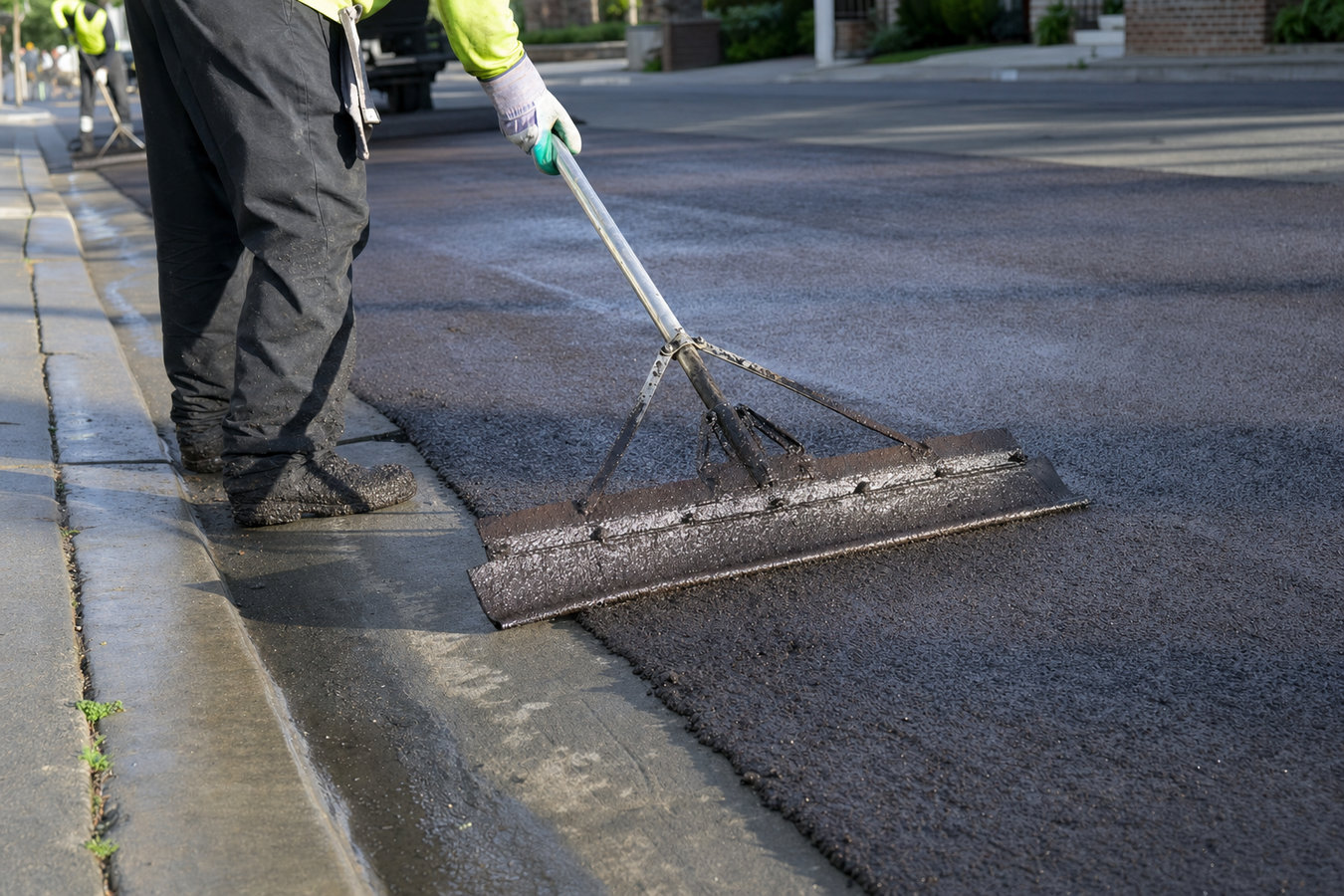
Coachella's UV and heat destroy unprotected asphalt fast. A fresh seal coat keeps your driveway flexible, dark, and ready to handle another season.
Asphalt sealcoating in Coachella, CA is a thin protective layer applied over an existing paved surface - it acts like sunscreen for your pavement, slowing the oxidation and drying that the desert accelerates, with most residential jobs completed in a few hours.
If you have noticed your driveway going from rich black to a dull gray, that color shift is a warning sign. The Sonoran Desert sun is the single biggest enemy of asphalt in this region - UV radiation breaks down the binders that hold pavement together, making the surface brittle and prone to cracking far faster than in cooler climates. A timely seal coat stops that process before it gets expensive.
Many homeowners pair driveway sealing with asphalt crack sealing to address visible damage before the protective coat goes down - that combination gives pavement the best chance of lasting through another Coachella summer.
Fresh asphalt is a rich, dark black. When it fades to gray or light brown, the surface binders are oxidizing - exactly what Coachella's relentless sun accelerates. A faded surface is more brittle and far more vulnerable to cracking.
Hairline and surface cracks are normal as asphalt ages, especially with the desert's wide daily temperature swings. Left unsealed, water from an occasional monsoon rain can push into the base and turn small cracks into large, expensive ones.
If the texture has become coarse and pitted, the top layer is eroding. You may notice small stones coming loose underfoot. This means the pavement needs protection before the deterioration goes any deeper.
When asphalt is properly sealed, vehicle fluid spills tend to sit on the surface. If you notice stains penetrating and darkening the pavement, the protective layer has worn away - and those soaked-in stains soften the asphalt beneath them over time.
We handle sealcoating for residential driveways, commercial parking areas, and everything in between. Every job starts with a thorough surface prep - power-blowing away desert dust and debris, treating oil spots with a primer so the sealer bonds, and filling any cracks before a single drop of sealer goes down. For properties that need a more thorough approach, we also offer parking lot striping so the lot is organized and code-compliant as soon as the seal coat cures.
For surfaces with deeper issues, we can coordinate asphalt crack sealing before the protective coat is applied. That way you are not sealing over a problem that will just resurface next season. We apply sealer in a consistent, even coat - not too thick, which can crack, and not too thin, which wears off quickly in Coachella's sun.
Best for homeowners whose driveways are fading, developing surface cracks, or simply overdue for a refresh after years in the desert sun.
Ideal for property managers and HOAs who need a clean, uniform finish across larger surfaces and want to maintain appearance standards.
The right choice when surface cracks are visible before the seal coat goes down - we fill them first so the sealer has a solid foundation.
Recommended after new asphalt is laid to lock in the surface early, giving fresh pavement maximum protection from day one.
Coachella sits in the Sonoran Desert and receives some of the most intense year-round sunshine in the continental United States. Air temperatures regularly exceed 110 degrees Fahrenheit in summer, and asphalt surface temperatures climb dramatically higher than the air around them. That heat accelerates oxidation, causes pavement to soften and lose its surface texture, and makes sealcoating earn its keep here more than almost anywhere else in the country. A lot of homes in this area were built after 2000 - after 20-plus years of desert sun, driveways and parking surfaces are starting to show real age.
The sandy desert soils common across the valley - including areas near Coachella and neighboring Indio - can shift and settle, especially after the occasional monsoon rain event. That ground movement stresses the pavement from below, and a sealed surface handles that stress better than a dry, brittle, oxidized one. Timing also matters: late spring and early fall are the sweet spots locally, when surface temperatures are warm enough to cure the sealer well but not so extreme that the application becomes rushed or uneven.
Call or submit a request online and describe your driveway - its approximate size, age, and any visible damage. We reply within one business day. Most jobs get a written quote after a quick on-site visit to measure the area and assess pavement condition.
Before any sealer goes down, we evaluate the pavement carefully. Small to medium cracks are cleaned and filled with a flexible filler. We also treat oil spots with a primer so the sealer bonds correctly - a step that is especially important in the dusty Coachella environment.
The crew power-blows the surface, then applies one or two coats of sealer using squeegees, brushes, or a spray system depending on the project. The area is blocked off so no one walks or drives on the fresh sealer while it is wet.
Plan to stay off the surface for 24 hours for foot traffic and 48 to 72 hours before driving - even if it feels dry sooner. Before we leave, walk the driveway with us to confirm coverage is even and any areas of concern were addressed.
Free estimate, no pressure. We reply within one business day.
We schedule sealcoating work for early morning hours or the cooler shoulder seasons - spring and fall - when surface temperatures allow for proper bonding. This timing difference is what separates a coat that lasts from one that peels within months.
Sealer applied over dirt, oil, or loose debris will peel. Every job starts with power-blowing the surface, treating stains, and filling cracks before a drop of sealer is applied. The prep work is where most contractors cut corners - we do not.
We carry the state contractor license required by California for paving work, which you can verify through the California Contractors State License Board. We also carry liability insurance and workers' compensation, so you are covered if anything goes wrong on your property.
Not every driveway is a good candidate for sealcoating alone. If your pavement has alligator cracking or base failure, we say so upfront rather than sell you a cosmetic fix. You get an honest answer about what your surface actually needs.
The National Asphalt Pavement Association sets the industry standards we follow for mix design and application. Combined with our California license - verifiable through the California Contractors State License Board - those credentials give you a clear way to verify you are hiring a legitimate, qualified contractor before any work begins.
After your seal coat cures, crisp line markings keep your lot organized, safe, and California-compliant.
Learn MoreFill active cracks before they widen - the essential first step that makes sealcoating effective and lasting.
Learn MoreLate spring is the ideal window - warm enough to cure properly, not so hot that the sealer rushes. Call now to lock in your spot.