
Loading...
Serving Coachella, CA and surrounding areas. (442) 287-1944
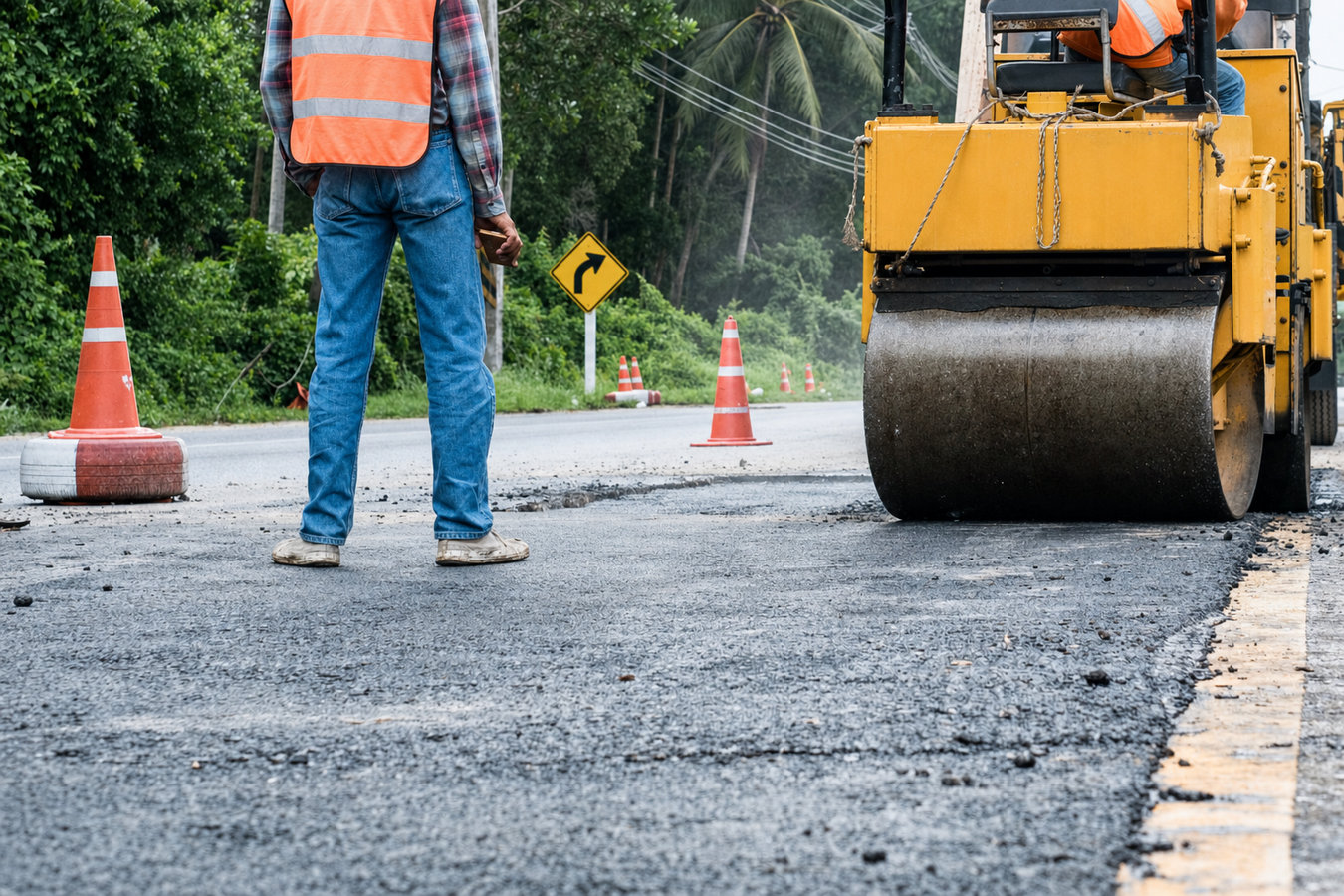
Patching over failing asphalt only delays the problem. Milling grinds away the damaged layer so your new surface bonds to a solid base - no more potholes coming back in the same spots.
Asphalt milling in Coachella is the process of grinding down the top layer of an existing paved surface using a machine with a rotating drum, leaving a textured base ready for a fresh asphalt layer, with most residential driveways milled in a few hours.
If your driveway has been paved over before or is already sitting high at the garage door threshold, adding another overlay raises the surface further and traps failing material underneath. Milling removes the problem first. The ground-up material - called millings - is loaded into trucks and hauled away. What is left is a grooved, textured base that gives new asphalt something solid to grip. The millings themselves are highly recyclable and routinely reprocessed into new pavement, making this one of the more environmentally responsible paving options. When milling reveals base issues below the surface - common in the Coachella Valley's shifting sandy soils - our drainage solutions work can address slope and water management before the new layer goes down.
The finished milled surface will look rough and grooved until paving follows - that texture is intentional, not a defect. In most cases, paving follows within a day or two of milling. In Coachella's intense heat, leaving a milled surface exposed too long can allow the base to dry out, so we coordinate both phases close together.
A web-like network of interconnected cracks - sometimes called alligator cracking - means the surface layer has broken down and can no longer flex without fracturing. In Coachella's heat, this type of cracking spreads quickly because the sun accelerates the breakdown of the asphalt binder. Milling off the damaged layer and repaving stops the spread before it reaches the base.
If you have had potholes filled more than once and they keep reappearing in the same spots, the problem is not the patch - it is the surrounding pavement. Repeated patching on a failing surface is a short-term fix that delays the inevitable. Milling removes the compromised material entirely so the repair actually holds.
When the top of your asphalt starts shedding small stones and feels rough underfoot, the surface aggregate is separating from the binder. This is called raveling, and it is common on older asphalt baked by years of desert sun. A milled and repaved surface restores a smooth, safe finish and removes the loose material that damages vehicles.
Standing water on asphalt means the surface has lost its slope or developed low spots, often because the pavement has settled unevenly. In the Coachella area, where irrigation water is common near driveways, pooling water accelerates base damage. Milling lets the contractor re-establish proper drainage slope before the new layer goes down.
We mill driveways, private roads, and shared lots across Coachella and the surrounding valley. The depth of the cut is one of the most important decisions in any milling job - a shallow mill removes only the worn surface layer, while a deeper cut addresses structural damage below. We assess the condition of the base before recommending a depth, not just default to the minimum. A consistent, even depth across the entire surface is the mark of quality milling work - uneven patches or low spots that hold water indicate a rushed job. If the milled surface reveals drainage slope problems, asphalt resurfacing can be paired with drainage corrections to fix both issues in the same project.
We also handle the question of what to do with the millings - they are typically loaded and hauled away for recycling, but if you have an unpaved utility area or back path, a portion can be left on-site at your request. For driveways that connect to a city street, we identify whether the apron area requires a permit before work begins. Combined milling and repaving projects benefit from scheduling both phases close together - especially important in Coachella's heat, where an exposed milled base should not sit unprotected for long. If your property also needs site grading, drainage solutions can be scoped alongside the milling work.
Suits homeowners whose driveway has widespread cracking, recurring potholes, or a surface that is already too high after previous overlays.
Best when only the top wear layer has deteriorated and the base is still structurally sound - removes the problem without a full-depth cut.
For surfaces with structural damage below the surface layer, where a shallow cut would leave the same underlying problems in place.
Milling and repaving scoped and scheduled as a single project - minimizing time the base is exposed in Coachella's heat.
Coachella sits in the Coachella Valley, where summer temperatures routinely exceed 110 degrees Fahrenheit and pavement surface temperatures climb even higher. Extreme heat is the dominant force acting on asphalt here - not freeze-thaw cycles as in colder climates. Prolonged heat causes asphalt binders to oxidize and become brittle, which accelerates surface cracking and raveling far faster than in coastal communities. This is why driveways in Coachella that might last 20 years in a milder climate can show serious deterioration in far fewer years if left unsealed and unaddressed. Milling and repaving with a heat-tolerant mix resets the surface rather than papering over a problem that the next summer will worsen. Homeowners in Indio and throughout the east valley see the same heat-driven deterioration pattern on properties with irrigation systems running near paved areas.
The Coachella Valley also sits on alluvial, sandy soils that can shift and settle - particularly after heavy rain events or where drip irrigation runs near the edge of pavement. If the base beneath your asphalt has softened from moisture, milling alone will not fix the problem - the base may need to be regraded or stabilized before new asphalt goes down. This is especially relevant in established neighborhoods in La Quinta where older driveways have been subject to years of irrigation cycling near their edges. A thorough site assessment before milling - not just a drive-by quote - is the right approach for every job in this environment.
For information on recycled asphalt pavement (RAP) and sustainable paving practices, see the National Asphalt Pavement Association. To verify a California contractor's license before hiring, visit the California Contractors State License Board.
We schedule a visit to your property - not a phone quote - to measure the area, assess the depth of damage, and check the base condition before recommending a scope of work. We reply within one business day of your first contact.
You receive a written proposal covering milling depth, area, what happens to the millings, and whether repaving is included. We confirm any permit requirements for work near the street and schedule both milling and paving close together to avoid leaving the milled base exposed in Coachella's heat.
The milling machine makes passes across your surface, grinding the old asphalt to the specified depth while the crew loads millings into trucks. A residential driveway typically takes a few hours. We finish by cleaning up loose material and leaving the base ready for paving.
The paving crew applies a tack coat to bond the new asphalt to the milled base, then lays and compacts the fresh material. We walk the finished surface with you before leaving - check the edges, transitions, and drainage slope - and give you a clear return-to-use timeline.
Free on-site estimate. No phone quotes - we look at the surface in person. We reply within one business day.
We do not quote milling jobs over the phone. The depth of the cut and whether the base needs repair are decisions that require looking at the surface in person. A contractor who quotes without seeing the site is guessing - and guessing on cut depth is how jobs get done wrong and surfaces fail again.
We understand how Coachella's extreme summer heat affects both milling and fresh asphalt compaction. We schedule jobs with timing and mix specifications appropriate for valley conditions, and we coordinate milling and paving close together so the base is not left exposed in intense heat.
The Coachella Valley's sandy alluvial soils require a specific assessment before milling begins. If the base has softened from irrigation or settled after rain, we identify it before recommending cut depth - not after the milling machine has already been through. Local soil knowledge protects your investment.
If your driveway apron connects to a city or county road, we identify whether a permit is needed before the job starts. We also confirm underground utility locations are marked before any milling begins - a standard professional practice in California and the right way to protect your irrigation lines and conduits.
Every milling job we take in Coachella is backed by a written scope of work, proper contractor licensing, and a crew that has worked in the valley long enough to know what the heat and sandy soils do to pavement. We are happy to discuss references from completed local projects before you commit.
Correct slope and drainage issues at the same time as your repaving project.
Learn MoreGet on the schedule before summer - our crews serve Coachella and the surrounding valley and reply within one business day.